TOP-RATED
Atlanta Criminal Defense
Law Firm
Atlanta Criminal Defense
Law Firm





For the sentencing ranges that attach to each value tier, see our page on the theft sentence in Georgia.
When does stealing become a felony in Georgia? The line falls at $1,500. Under Georgia theft criminal law, taking property worth $1,500 or less is generally a misdemeanor. Taking property worth more than that is a felony, and the prison range climbs with the dollar amount.
Georgia's laws for stealing also treat some property as special. A few items carry felony exposure at any value, including firearms, explosives, anhydrous ammonia, and grave markers. A third theft conviction can be a felony too, whatever the property was worth.
Understanding what constitutes felony theft matters if you are facing charges. This guide breaks down every major theft offense in Georgia. It explains the penalties at each level, the defenses that work, and what to do after an arrest. See our related guide: Attempted Theft in Georgia: Is It a Crime and What Are the Penalties?.
Where the alleged victim is 65 or older, the state often charges exploitation of an elder person instead of ordinary theft, and the penalties are far higher.
Georgia recognizes several distinct theft offenses. Each one targets a different way of taking or using another person's property without permission.
Theft by Taking. This is the most common theft charge. A person commits theft by taking when they unlawfully take or use someone else's property. They must mean to keep the owner from it. Our shoplifting lawyers handle Cherokee County retail cases.
Theft by Deception. Theft by deception covers getting property through false statements or misleading conduct. This is the statute behind what most people call theft by fraud. Someone uses a lie or a trick to gain control of money or goods that belong to another person. Rolling back a car's odometer before a sale is one common version of that trick, and our guide covers the odometer fraud penalty that follows in Georgia.
Theft by Conversion. Theft by conversion applies when a person gets property lawfully and then uses it for themselves, breaking an agreement with the owner. A common example is a contractor who is paid for materials and spends the money on personal bills instead.
Theft of Services. A person commits theft of services by using deception or threats to obtain labor, transportation, utilities, or other services without paying.
Theft of Lost or Mislaid Property. Georgia makes it a crime to keep lost or mislaid property when you know it is lost and could reasonably find the owner. Simply finding something does not give you the right to keep it.
Theft by Receiving Stolen Property. A person who knowingly gets, disposes of, or holds onto stolen goods commits theft by receiving stolen property. The state must prove the defendant knew, or should have known, that the property was stolen.
Theft of Trade Secrets. Georgia protects confidential business information under its theft of trade secrets statute. That covers formulas, patterns, customer lists, and manufacturing methods that give a company an edge. An employee who copies proprietary software code and sells it to a rival firm faces this charge. The penalty is one to five years in prison and a fine of up to $50,000. If the trade secret and any copy taken are worth $100 or less, the charge drops to a misdemeanor.
Theft by Shoplifting. Theft by shoplifting covers hiding merchandise, altering a price tag, switching containers, swapping labels, or otherwise paying less than the stated price. The penalties climb with each new conviction.
Computer Theft and Stealing Identity Charges. Georgia's Computer Systems Protection Act makes computer theft a crime. It reaches anyone who uses a computer or a network without permission to take data, programs, or property. Stealing identity charges usually arrive under a companion statute, identity fraud, which targets the unauthorized use of another person's identifying information to commit fraud or theft.
Stealing becomes a felony in Georgia when the property is worth more than $1,500. Below that line, the charge is normally a theft misdemeanor. Here is how Georgia's theft sentencing tiers break down:
Property worth $1,500 or less. This is a misdemeanor. The penalty is up to 12 months in jail and a fine of up to $1,000.
Property worth more than $1,500 but less than $5,000. This is a felony punishable by one to five years in prison. The judge may also sentence it as a misdemeanor.
Property worth at least $5,000 but less than $25,000. This is a felony punishable by one to ten years. The judge again keeps the option to sentence it as a misdemeanor.
Property worth $25,000 or more. This is a felony carrying two to 20 years in prison.
A third theft conviction. A defendant with two prior theft convictions faces a felony on the third one, punishable by one to five years, whatever the property was worth.
Felonies Tied to the Type of Property. Some thefts carry felony exposure no matter what the item cost. Taking a firearm, a destructive device, or an explosive carries one to ten years. Anhydrous ammonia carries one to ten years. A memorial to the dead or a grave marker carries one to three years, and a military memorial can carry three to five. Theft by a fiduciary, or by an employee of a government or a financial institution acting in breach of duty, carries one to 15 years. Regulated scrap metal worth more than $500 carries one to five years. When a theft involves a firearm, that one-to-ten-year range applies no matter what the gun was worth. Motor vehicle theft works the other way. Georgia grades it by value like any other theft, and most vehicles sit far above the $1,500 line. Understanding felony theft in Georgia means looking past the dollar amount to the kind of property involved. A prior conviction matters too, because it can change both the charge and the sentence a prosecutor asks for.
Under Georgia state law, theft punishment rests on three things: the value of the property, the type of offense, and the defendant's record.
Many people call this bottom tier petty theft, though the Georgia code does not use that phrase. For misdemeanor theft, courts may impose up to 12 months in jail and a fine of up to $1,000. Probation and community service are common, alone or on top of a short jail term. First-time defendants in Fulton, DeKalb, and Cobb County misdemeanor courts may qualify for pretrial diversion. Finishing the program can end with the charge dismissed.
Felony theft carries the prison ranges described above. Courts usually order restitution as well, which means paying the victim back for what was taken. In serious cases involving drug crimes and intent to sell charges, prosecutors may stack related counts alongside the theft.
Shoplifting penalties follow their own graduated scale. A first offense involving goods worth $500 or less is a misdemeanor. A second offense at that level carries a mandatory fine of at least $500 that cannot be probated. A third offense carries at least 30 days of confinement. Shoplifting goods worth more than $500 is a felony punishable by one to ten years. So is a fourth conviction, whatever the goods were worth, and the first year of that sentence cannot be probated unless the prosecutor agrees to a lower sentence.
A theft conviction leaves a long tail. A permanent criminal record can cost you a job. Professional licensing, housing applications, and immigration status can all suffer. That is what makes early legal help so valuable.

Because the felony line is a dollar figure, value is often the whole fight. Georgia theft criminal law does not use what the owner paid. It uses what the property was worth at the time and place of the offense. For a shoplifting case, that means the retail price on the tag. The unaltered price tag, or a clear photograph of it, is treated as proof of both value and ownership.
Outside a store, the number is rarely so clean. A three-year-old laptop, a used trailer, or a box of tools may have cost far more than it is worth today. Prosecutors sometimes reach for the purchase price or an insurance figure, and either one can push a case over the $1,500 line that it does not belong on. Receipts, resale listings, depreciation schedules, and an appraisal can all pull the number back down.
Value also drives restitution. A felony sentence usually comes with an order to repay the owner, and that order survives the end of probation. Getting the valuation right at the front of the case therefore does double duty. It can decide whether the charge is a theft misdemeanor or a felony, and it sets the amount the defendant will owe for years afterward.
One more timing point matters. Georgia allows record restriction for many charges that are dismissed or reduced, but the rules are narrower once a conviction is entered. That is another reason to fight the valuation early rather than to plead to the tier the state charged.
Georgia theft cases turn on the facts around the alleged offense. Defense strategies vary, but several approaches apply across most theft charges. North Fulton residents can find parallel guidance on Roswell theft defense from the same legal team.
Lack of Intent. Theft is a specific-intent crime. The state must prove the defendant meant to keep the owner from their property. A person who took an item by mistake may lack that intent. The same is true of someone who planned to give it back.
Claim of Right or Good Faith Belief of Ownership. A person who honestly believes they have a legal right to the property may have a valid defense. That holds even when the belief turns out to be wrong.
Mistaken Identity. Retail theft cases lean on grainy video and quick eyewitness calls. Misidentification happens. Challenging witness reliability or video quality can raise reasonable doubt.
Consent of the Owner. If the owner gave permission to take or use the item, no theft occurred.
Insufficient Evidence of Value. For a felony charge, the state must prove the property crossed a dollar threshold. Fair market value and original purchase price are not the same number. Attacking how the state proved value can pull a felony down to a misdemeanor.
Entrapment. In sting operations, officers sometimes cross the line from investigating a crime to causing one. If police talked someone into a theft they would not otherwise have committed, entrapment may apply. Similar questions come up when college students face hazing allegations, where the line between peer pressure and criminal coercion needs a close look.
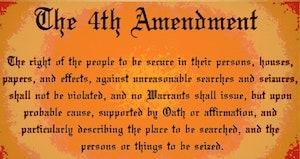
Unlawful Search and Seizure. The Fourth Amendment protects against unreasonable searches. If police found the evidence through an illegal stop, search, or seizure, a judge may suppress it.
Duress or Coercion. A person who committed theft only because someone threatened them with serious harm may raise duress. The threat has to be immediate, and there must have been no reasonable way out.
Theft criminal charges reach well beyond the courtroom, whether the case is misdemeanor shoplifting or felony theft. A conviction leaves a permanent criminal record. That record can follow you through job applications, housing, and years of future opportunities.
Early attorney involvement can make a real difference. A defense lawyer may shape the charging decision, negotiate the count down, or open a pretrial diversion path that ends in dismissal. The same legal team handles theft cases in Athens and Clarke County. We also handle criminal shoplifting matters in Gwinnett County.
If you face theft charges in Georgia, contact Kohn & Yager LLC for a free, confidential consultation. Call (404) 567-5515 anytime, day or night. Every case is different. Results depend on the specific facts involved.

The difference is the value of the property. Theft of property worth $1,500 or less is normally a misdemeanor. Theft of property worth more than $1,500 is a felony. Some property carries felony exposure at any value, including firearms, explosives, anhydrous ammonia, and grave markers. A third theft conviction can also be charged as a felony regardless of value.
In most cases the property must be worth more than $1,500. The tiers rise from there. More than $1,500 but under $5,000 carries one to five years. At least $5,000 but under $25,000 carries one to ten years. Property worth $25,000 or more carries two to 20 years. In the two middle tiers, the judge may still sentence the case as a misdemeanor.
Penalties for theft by taking depend on the value of the property. A theft misdemeanor involving $1,500 or less carries up to 12 months in jail and a fine of up to $1,000. Felony theft carries one to 20 years in prison, depending on the tier. Courts may also order restitution, probation, and community service.
Shoplifting may be a misdemeanor or a felony. A first offense involving merchandise worth $500 or less is a misdemeanor. Shoplifting goods worth more than $500 is a felony punishable by one to ten years. A fourth shoplifting conviction is a felony at any value, and the first year of that sentence cannot be probated unless the prosecutor agrees to less.
Theft charges may be dropped or reduced depending on the facts. Prosecutors may agree to cut a felony to a misdemeanor when the proof of value is weak. First-time defendants in some Georgia courts may qualify for pretrial diversion, which can end with the charge dismissed. An attorney can tell you whether those options apply to your case.