TOP-RATED
Atlanta Criminal Defense
Law Firm
Atlanta Criminal Defense
Law Firm





Georgia regulates how people buy, own, and carry firearms. The state still enforces a wide range of gun rules. Those rules can lead to serious criminal charges.
Possession cases turn on different facts than the offenses above. Our gun possession defense page covers carry licensing, constructive possession and the school-zone rules.
If you are facing a gun offense or gun crime charge in Georgia, the results can be severe. Carrying without a license is one example. Having a firearm during another crime is another. The facts that produce weapons charges vary widely. A fuller picture of how the state regulates carrying – from handguns to knives and tasers – appears in our guide to Georgia law on concealed weapons. Anyone facing gun charges should talk with a defense attorney in Georgia. Early help protects your rights and builds a stronger defense.

The right to gun ownership is not unlimited in Georgia. The state bans several dangerous weapons unless they are registered under the National Firearms Act. Fully automatic machine guns, sawed-off rifles, and silencers are banned. Bazookas, rocket launchers, and recoil-less rifles are also prohibited. Allegations of unlawful possession of a firearm are defended by our attorneys in Lawrenceville and the Gwinnett County courts.
Several categories of individuals cannot get a Georgia weapons carry license. Those convicted of felonies are disqualified. Those convicted of a drug manufacturing or sale offense are barred. Fugitives from justice are barred. Applicants under 21 are refused, subject to a narrow military exception. Those with a felony case pending are barred. Those hospitalized as an inpatient for drug, alcohol, or mental health treatment in the past five years may also be refused. Separately, a felony conviction bars possessing a firearm at all, and anyone under 18 is barred from possessing a handgun.
Georgia law creates several major gun charge categories:
Possession of a firearm by a convicted felon. A felon who possesses a firearm commits a separate felony. It makes no difference whether the weapon was received, held, or moved. This is one of the most charged firearm offenses in Georgia.
Carrying a weapon without a valid weapons carry license. Unlawful carrying of a weapon covers anyone who carries a weapon without being a lawful weapons carrier. A first offense is a misdemeanor. A second offense within five years becomes a felony.

Possession of a firearm during the commission of a felony. Having a firearm during a felony creates a separate weapons charge. These felonies include drug crimes, crimes against persons, and unlawful entry.
Carrying a weapon in a prohibited location. Georgia law bars weapons in courthouses, jails, and screened government buildings. Violations are generally misdemeanors.
Possession of a stolen firearm. Alleged possession of stolen weapons, gun trafficking, and straw purchases can all give rise to serious gun charges in Georgia.
Discharging a firearm near a public highway or on another's property. Discharging a firearm on a public highway without legal justification is a misdemeanor. The rule reaches any shot on or within 50 yards of the road. Discharging a firearm on the property of another person without permission is also a misdemeanor.
Clients also ask about carrying a pistol or a revolver without a license. Whether the charge is a misdemeanor or a felony, a gun offense attorney can review the facts and explain your options.
A conviction on a gun charge in Georgia can carry severe results. It can also bring costly fines and damage to your good name. The penalty depends on the statute charged. It also depends on the defendant's prior record and on the facts of the case.
Misdemeanor weapons violations. Charges such as unlawful carrying, carrying in a prohibited location, or discharging a firearm near a highway are misdemeanors. These carry up to 12 months in jail. Fines may be added under Georgia's misdemeanor sentencing rules.
Felon in possession. A convicted felon who possesses a firearm faces one to ten years in prison. A second conviction raises the mandatory minimum to five years. If the prior felony was a "forcible felony" – such as armed robbery, kidnapping, or aggravated assault – the statute requires a five-year prison sentence.
Firearm during commission of a felony. A first offense carries a mandatory five-year sentence served consecutively to any other sentence. A second conviction carries a mandatory ten-year sentence. That sentence cannot be suspended or cut to a misdemeanor.
Enhancements. Penalties may rise when a gun offense involves a school zone, a minor, or gang activity. A second unlawful-carrying offense within five years jumps from a misdemeanor to a felony. It is punishable by two to five years.
Defendants with no prior record may qualify for sentencing relief under the Georgia First Offender Act. A prior felony conviction changes the exposure again. Our guide to the minimum sentence for felon in possession of a firearm explains what Georgia law requires when the accused already has a record.
Sentencing outcomes depend on the facts of each case and on negotiation. No general rule can replace a review by a Georgia gun crime attorney.

A strong defense to a gun charge often begins before the courtroom. Many Georgia gun cases turn on how the police obtained the weapon.
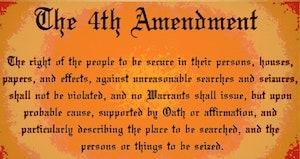
Unlawful search and seizure. The Fourth Amendment protects against unreasonable searches. Did the police conduct an illegal traffic stop? Did they search a vehicle without a warrant or a valid exception? Did they enter a home without consent? Each question can support a motion to suppress the firearm, and winning that motion may strip the state of its key evidence. These motions are common in Fulton, DeKalb, Cobb, Gwinnett, and Clayton County courts.
Lack of knowing possession. The state must prove the defendant knowingly had the firearm. The weapon may have belonged to another passenger. It may have turned up in a shared vehicle. It may have sat in a place the defendant did not control. In each case the state may struggle to meet its burden.
Valid weapons carry license. A valid Georgia weapons carry license is a complete defense to an unlawful carrying charge. A weapons license issued by any other state also authorizes carrying in Georgia.
Self-defense. Georgia law allows a person to use force to protect themselves or another person when they reasonably believe it is needed. The threat must be an imminent unlawful use of force. Georgia law treats defense of self or others as an absolute defense to the state's firearm carrying and possession offenses.
Second Amendment challenges. In some cases, a challenge to how a statute is applied may work. It depends on the facts and on the restriction at issue.
Procedural defenses. Chain-of-custody gaps weaken the state's case. So does a failure to test whether a firearm even worked. Other procedural errors can help the defense.
Every defense depends on the facts and the evidence. A gun crime attorney can tell you whether these strategies fit your case.
Under Georgia law, defense of self or others is an absolute defense to a violation of Georgia's firearm carrying and possession laws. This affirmative defense can serve as a powerful shield for gun owners who acted to protect themselves or their families.
A weapons offenses attorney builds the defense from statutory protections, constitutional challenges, and direct negotiation with the prosecutor. At arraignment, the defense team reviews the charging papers. It also reviews the evidence the state intends to present. Before trial, a motion to suppress illegally obtained evidence can reshape the case. If a deal makes sense, a skilled attorney works to reduce charges. Your attorney may seek other sentencing, or may push for dismissal. If trial is necessary, the defense presents every available challenge to the state's burden of proof.
The goal at every stage is to protect both the client's liberty and their firearm rights going forward.
Not every firearm matter involves a pending criminal charge. Many people searching for gun rights lawyers near me need help with licensing, rights restoration, or regulatory questions. Others look for a gun rights attorney near me after a license application is denied.
A Georgia gun rights lawyer helps clients apply for or renew a weapons carry license. Your lawyer can also fight a denial or defend against a revocation. The local probate court handles the application. A gun rights attorney can also address issues that arise when a background check flags a prior arrest or disposition.
Restoring firearm rights after a felony conviction involves both state and federal law. A pardon from the State Board of Pardons and Paroles can lift the state-level bar. The pardon must expressly allow firearm possession. Even then, a federal ban may still apply. A gun rights attorney can tell you whether a Georgia pardon also meets federal rules, and whether more relief is needed.
People who completed a first offender sentence are relieved of the firearm bar. They must have received a discharge without a finding of guilt. Those sentenced under conditional discharge terms for certain drug offenses may also regain their rights. An attorney can confirm whether a given outcome qualifies.
Gun rights lawyers also handle concealed carry permit issues and out-of-state carry questions. They help with the inheritance or transfer of federally regulated firearms. These matters differ from defending an active gun charge. They still require the same command of Georgia and federal firearms law.
Some gun charges in Georgia carry mandatory minimum sentences. They carry real prison time and lasting effects on your firearm rights. Early representation gives your attorney time to review the evidence. Your attorney can challenge the legality of the stop or search. Your attorney can spot defenses before the case advances.
At a free consultation with Kohn & Yager LLC, you will discuss the charges you face. You will discuss the evidence involved. You will discuss the defense strategies that may apply. There is no obligation, and the talk stays private.
Kohn & Yager LLC is available 24 / 7. If you or someone you know is facing a gun offense or weapons charge in Georgia, call (404) 567-5515. Speak with a gun crime attorney who can review your case. A weapons offense attorney can also explain what a conviction would mean for your firearm rights.

Yes, possession of a firearm by a convicted felon is a felony in Georgia. A convicted felon who receives, holds, or moves a firearm commits a felony. The punishment is one to ten years in prison. A second or later conviction carries a mandatory minimum of five years. The penalties are severe, so anyone facing this charge should call a Georgia gun crime attorney to weigh the defenses.
Georgia law allows a lawful weapons carrier to carry a handgun. A person who is not barred from having a firearm may also carry on their own property. They may carry in their home, their car, or their place of business without a license. Carrying in other public places generally requires lawful weapons carrier status. A gun crime attorney can explain how the rule fits your case.
A first conviction carries a mandatory five-year prison sentence. That sentence runs on top of any other sentence. A second conviction raises the mandatory term to ten years. The sentence cannot be suspended or probated. Because the terms stack and cannot be cut, an attorney should review the facts right away.
Restoration may be possible, depending on the facts. A pardon that expressly allows firearm possession lifts the state bar. A federal ban may still apply. A gun rights attorney can evaluate whether a pardon or other relief restores both state and federal firearm rights.
Carrying a weapon in a courthouse, jail, or government building with security screening is a misdemeanor punishable by up to 12 months in jail and a fine. Schools fall under a separate statute, where a lawful weapons carrier commits a misdemeanor but anyone else commits a felony punishable by two to ten years. The result depends on the location. It also depends on your weapons carry license status and on the facts of the case. A Georgia weapons offense lawyer can assess the charge and available defenses.