TOP-RATED
Atlanta Criminal Defense
Law Firm
Atlanta Criminal Defense
Law Firm





Disorderly conduct is a misdemeanor in Georgia, and it covers violent, threatening, or profane behavior in public that scares other people or breaks the peace. There is no felony version of this charge in our state. If you were charged with disorderly conduct after a night out, a protest, or an argument that got loud, the case is smaller than a felony but bigger than a ticket. This page explains what disorderly conduct means under Georgia law, the fines and jail time you may face, the everyday conduct that leads to arrest, and how to beat disorderly conduct charges. It also covers what a conviction does to your criminal record, and which defenses tend to work in Georgia courts.
What does disorderly conduct mean under Georgia law? The disorderly conduct definition law enforcement works from sits in one short Code section, and that section lists four kinds of behavior. Judges have had to define Georgia's disorderly conduct law carefully over the years, because so much of it turns on speech.
The first is acting in a violent or tumultuous way toward another person, in a way that puts that person in reasonable fear for their life, limb, or health. The second covers the same kind of conduct aimed at property, where the risk is that someone else's property will be damaged or destroyed.
The third is the fighting words rule. A person breaks it by using abusive words to someone else, without provocation, when those words would tend to start a fight on the spot. Courts treat this as the narrowest of the four categories, because ordinary rudeness is not a crime.
The fourth covers obscene, vulgar, or profane language used in front of a child under 14, in a way that threatens an immediate breach of the peace. Georgia courts read this part narrowly as well. In Breaux v. State, the Georgia Supreme Court upheld an earlier version of the rule and said that language counts as obscene, vulgar, or profane when, in the setting where it was used, it would clearly offend a reasonable person's sense of decency.
To win a conviction, prosecutors have to prove two things: that you committed one of those four acts, and that it happened in a setting that disturbed or threatened public order and safety.
What is disorderly conduct considered in Georgia? Disorderly conduct is an example of a crime against public order and safety, rather than a crime against one person or one piece of property. The law aims at behavior that breaks the peace of a whole community, which is why the setting matters as much as the words or the shove.

Disorderly conduct grew out of the old common law crime of breach of the peace, which punished conduct that disturbed the quiet of a town. A related idea is affray, a public fight that would tend to frighten the people watching it.
In Georgia, disorderly conduct is a misdemeanor, but the penalties still sting and the criminal record sting lasts far longer. An employer who spots this charge on a background check may read it the wrong way. Partner Cory Yager is a former police officer with almost ten years on the job, and he handles disorderly conduct misdemeanors. A charge like this one is worth a lawyer, because of what it can do to your job prospects or your school plans.

A misdemeanor in Georgia carries a fine of up to $1,000 and as much as 12 months in jail, and those caps come from the state's misdemeanor sentencing rule. What a judge actually orders depends on the facts of the incident and on your criminal history.
Jail is rare on a first charge. Georgia judges tend to order probation, community service, and sometimes an anger management class instead. First-offense fines often land well under the cap, and many judges set them somewhere between $200 and $500.
How much is a disorderly conduct fine in a municipal court? That depends on the city, because Atlanta, Sandy Springs, Marietta, and other Georgia cities write their own ordinances. Those local rules can carry different fines and different terms than the state law does, and a conviction under a city ordinance may also read differently on a background check.
Can you go to jail for disorderly conduct? Yes, in theory, since the law allows up to 12 months. In practice, judges save jail for repeat offenders, for facts that involved real violence, or for someone who broke probation on an earlier case.
How bad is disorderly conduct on your record? The record often matters more than the fine, because a conviction stays with you for good unless it is later restricted. It shows up on standard background checks, and it can reach:
Even a small misdemeanor deserves real attention for that reason.
Beating a disorderly conduct charge starts with the facts of your own case, and several different defenses may fit. Anyone facing a disorderly conduct charge in Georgia should have those facts reviewed before the first court date.
Free speech. Georgia's fighting words rule is narrow. The U.S. Supreme Court has held that only speech aimed at one person, and likely to spark a fight on the spot, falls outside the First Amendment. Rude or profane language is often protected, so a charge that rests on words alone is worth attacking on constitutional grounds. The line between disorderly conduct and free speech comes up often in Georgia courts.
No public element. The law aims at conduct that upsets public order. If the conduct happened inside a private home, and nobody else was disturbed by it, the state may not be able to prove that part of the case.
No real fear. The state has to show that your conduct was violent or tumultuous enough to make a reasonable person fear for their safety. If no witness felt that way, or if video evidence tells a different story than the arrest report does, the case gets weak in a hurry.
Self-defense. Many of these charges come out of a fight that somebody else started, and Georgia law lets you use reasonable force against an immediate threat.
Wrong person. Bar fights, large gatherings, and protests are chaotic scenes, and officers do sometimes arrest the wrong person. Surveillance footage or a witness statement can show who actually acted out.
Diversion and first offender treatment. On a first charge, many Georgia courts offer pretrial diversion, which resolves the case without a conviction once the program is finished. Under Georgia's first offender law, a judge can also hold off on entering a conviction while you complete a term of probation. Many municipal courts around Atlanta run diversion programs of their own, with their own paperwork and their own deadlines.
A reduction to a city ordinance. A defense lawyer can ask the prosecutor to drop a state charge down to a city ordinance violation. Those carry smaller fines, and they may not read as a criminal conviction on a background check later on.
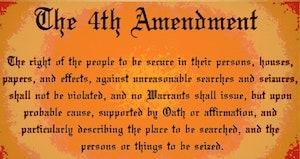
Disturbing the peace is not its own crime in this state, because the idea lives inside the broader offense. Conduct that other states would charge as disturbing the peace is usually prosecuted here under Georgia's disorderly conduct law, which the Code files under offenses against public order and safety.
Several Georgia cities and counties also keep their own rules against disruptive behavior, and Henry County is one example. Prosecutors can charge the same conduct under the state law instead, and which one you face often depends on which agency made the arrest.
The statute reaches a wide range of behavior, so here is what each of the four categories tends to look like in real life.
Violence toward a person. Starting a fight outside a bar or nightclub, shoving someone during a road rage stop, or charging at another driver in a parking lot. The key is that somebody was put in reasonable fear for their safety.
Violence toward property. Kicking or smashing a car during an argument, throwing merchandise in a store, or breaking furniture in a public space. This category covers risk to somebody else's property, even when nobody is physically hurt.
Fighting words. Threatening or abusive language aimed at one person, face to face. Screaming threats at a neighbor counts, and so does yelling slurs at someone in a way that invites a violent response. Threatening a store clerk qualifies as well. General cursing with no target usually does not.
Profanity in front of a child. Obscene, vulgar, or profane language used in front of a child under 14, in a way that threatens an immediate breach of the peace. Screaming curses at a youth sports game could trigger it, and so could vulgar language aimed at children in a public park.
Drinking in public that turns aggressive often leads to one of these charges, and it sometimes rides alongside a separate public drunkenness charge. Most people call that offense public intoxication, though Georgia's Code does not use that phrase.
Yes. Being arrested for disorderly conduct is common in Georgia, and officers make arrests on the scene when they see conduct that upsets public order or when bystanders report a threat.
After the arrest comes booking, which means fingerprints, a mugshot, and a jail hold until bond is set. In most of these cases bond is set within hours, and many people go home the same day on a signature bond or a small cash bond.
Sometimes an officer writes a citation instead, which is more likely on minor facts with somebody who stays calm. A citation means a court date, with no booking and no jail time, and that decision is left to the officer's discretion.
The difference matters. An arrest creates a booking record, and the fingerprints go into state and national databases. A citation does not create that record, though you still face a pending criminal charge.
What should you do in the first 24 hours after a disorderly conduct arrest? Stay quiet, and give the officers your name and identifying details but nothing else about what happened. Ask to speak with an attorney as soon as you can. Do not talk about your case with jail staff or with other people in the cell, because anything you say there can be used against you later.
Your first court date is usually an arraignment, where the judge reads the charge and asks how you plead. Many defendants enter a not guilty plea at that hearing to keep every option open while a lawyer reviews the body camera footage, the incident report, and the witness list.

No. Disorderly conduct is a misdemeanor in Georgia, and this state has never had a felony version of it.
Conduct that starts here can still draw a heavier charge. If a weapon comes out, if somebody is seriously hurt, or if a specific threat gets made, prosecutors may file something else on top. Aggravated assault is the clearest felony in that group.
Two charges that people expect to be felonies are not. A terroristic threat is normally a misdemeanor in Georgia, and it becomes a felony only when the threat suggests the death of the person threatened. Riot, which covers two or more people acting in a violent and tumultuous manner, is a misdemeanor as well, and so is urging other people to riot.
Affray is a public fight between two or more people, and it stays a misdemeanor too. If weapons come out or bystanders get hurt during that fight, though, felony charges can follow.
Georgia has no standalone disturbing the peace statute, since that idea is folded into disorderly conduct. States that do have a separate charge usually cover the same behavior Georgia prosecutes under this section.
Affray is its own misdemeanor, and it takes a public fight between two or more people that disturbs the calm of onlookers. The difference is mutual combat: both sides are fighting in an affray, while disorderly conduct can be charged against one person acting alone.
Other charges overlap with it too. Public drunkenness targets an intoxicated person who is loud, indecent, or profane in a public place. Riot applies when the violent conduct involves a group acting together. Unlawful assembly covers gatherings that threaten public safety.
Atlanta, Sandy Springs, Marietta, and other Georgia municipalities keep their own disorderly conduct ordinances, and those can define the conduct a little differently or set a different fine schedule. An attorney who knows the local courts can tell you which forum you are in and what that means for the outcome of your case.

Disorderly conduct may be "just a misdemeanor," but a conviction stays on your criminal record unless it is later restricted, and employers, landlords, and licensing boards can see it for years afterward.
A criminal defense attorney at Kohn & Yager LLC can review the facts of your case and pursue the strongest path available. Depending on those facts, that may mean asking for a dismissal, entering a pretrial diversion program, or negotiating a reduction to a city ordinance violation that keeps the mark on your record small.
During a free consultation, Larry Kohn and the rest of our team go through the details of your charge. We explain how these cases tend to move through your particular court, and we lay out the defenses that may fit your facts.
Time matters here. Arraignment dates come fast, and video evidence and witness memories fade faster still. Call Kohn & Yager LLC at (404) 567-5515 for a free, confidential case review, because our attorneys answer the phone 24 hours a day, seven days a week.

Yes. A misdemeanor conviction can bring jail time, and the maximum sentence is 12 months. Jail is uncommon for a first offense, and most first cases end in a fine, probation, community service, or some combination of the three. Judges usually reserve incarceration for repeat offenders or for cases with genuine violence in them.
The most a Georgia court can fine you for a misdemeanor is $1,000. In practice, first-offense fines often run from $200 to $500. Municipal courts set their own fine schedules under local ordinances, and court costs, probation supervision fees, and class fees can add a good deal to the total you owe.
Yes, it can be. Even a misdemeanor conviction creates a permanent record that shows up on background checks, and employers, landlords, colleges, and licensing boards may read it badly. For people who are not citizens, any criminal conviction can affect immigration status. Take the charge seriously and ask about dismissal or diversion options early.
A conviction stays on your Georgia record for good unless you take steps to have it restricted. Georgia's record restriction law lets some people limit public access to certain misdemeanor records. Whether you qualify depends on how the case ended and on how much time has passed since then. A Georgia criminal defense attorney can tell you whether your record fits the rules.
Show up early, dress for court, and bring any paperwork the clerk sent you. Most first appearances are arraignments, where the judge reads the charge and takes your plea. Entering a not guilty plea at arraignment preserves your options while your attorney requests the body camera footage, the incident report, and the state's witness list.
Yes, depending on the facts and on your criminal history. Common paths include a pretrial diversion program, first offender treatment, a negotiated reduction to a city ordinance violation, or an outright dismissal when the evidence is thin. An attorney who knows the local court can walk you through which of those options may fit your case.