TOP-RATED
Atlanta Criminal Defense
Law Firm
Atlanta Criminal Defense
Law Firm





Few cases draw more media attention than drug cases. When someone is charged with holding, selling, or making drugs, many people treat them as guilty before trial. On top of the media glare, Georgia punishes drug crimes harshly. Even a small amount of an illegal drug can bring steep penalties. Roswell drug lawyers help people understand what they are facing. Experienced criminal defense lawyers then build a full defense. Contact a qualified defense attorney for more information. By contrast, lower-level offenses such as disorderly conduct are treated as misdemeanor crimes with far lighter maximum penalties.
A drug case often arrives with a weapons count attached, because Georgia treats having a firearm during a felony as a separate charge. If your case includes one, our attorneys for gun charges handle that side of it too.

A dangerous drugs charge in Georgia involves a prescription-only drug that sits outside the Schedule I through V lists but is still controlled by state law. It covers unlawful possession, sale, or distribution of that drug. Georgia defines these drugs under the dangerous drugs statute. That law lists hundreds of specific compounds that require a valid prescription to possess. Prescription drugs obtained through forged or altered paperwork can also lead to fraud charges on top of the drug count.
What is dangerous drugs status in plain terms? It is Georgia's catch-all label for prescription drugs that do not appear on the schedules. Examples include certain muscle relaxers, non-narcotic ADHD medications, testosterone, anabolic steroids, and various prescription sedatives. A doctor can lawfully prescribe these drugs. A person cannot legally hold them without that prescription.
The offense itself sits in the unlawful possession statute. A person faces a dangerous drugs charge when they possess, sell, or give out any drug on the dangerous drugs list without a valid prescription from a licensed provider.
This differs from a controlled substance charge. Controlled substances – such as cocaine, heroin, methamphetamine, and fentanyl – fall under Schedules I through V. They carry their own penalties under the controlled substance penalties statute. Dangerous drugs are a separate legal category. They have their own statutes, penalty ranges, and defenses. Knowing which category applies to your case shapes the charges you face and the defenses open to you.
Georgia sorts drug offenses into three main groups. Each group has its own set of laws. The groups matter because the penalties and defenses differ a great deal between them.
The first group covers Schedule I through V controlled substances under the classification statutes. The schedules rank drugs by abuse risk and accepted medical use. Schedule I includes drugs like heroin, ecstasy, and LSD. Schedule II covers cocaine, methamphetamine, and fentanyl. Schedules III through V hold drugs with lower abuse risk. These include certain prescription painkillers and sedatives. Possessing, making, or selling any controlled substance is illegal under the unlawful controlled substance possession statute.
The second group is marijuana, which Georgia treats under its own scheme. Possession of one ounce or less is a misdemeanor. Possession of more than one ounce is a felony. Making and selling marijuana carry separate felony penalties under the marijuana offense statute.
The third group is dangerous drugs under the dangerous drugs offense statute. These are prescription-only drugs that do not appear on the schedules. The same conduct is illegal across all three groups – possession, making, and selling. But the penalties for dangerous drugs are usually lighter than those for controlled substances. Even so, a dangerous drug charge still carries jail time, fines, and a lasting mark on your record.
Georgia treats heroin and other opiates more harshly than most other drugs. The trafficking law sets a much lower weight line for them. Under the drug trafficking statute, possessing four grams or more of heroin counts as trafficking. That charge carries a minimum of five years in prison and a $50,000 fine. Compare that to cocaine, where trafficking starts at 28 grams. In short, the amount of drugs decides whether a person faces a possession charge or a trafficking charge. What the person planned to do with the drugs does not control the charge. A Roswell drug attorney works with people charged with both possession and trafficking to protect their money and their freedom. Trafficking cases that cross county or state lines are sometimes moved to federal court, where a federal criminal lawyer defends against a different set of prosecutors and sentencing rules.
A distribution drug charge is among the most serious drug offenses in Georgia. The law draws a clear line between holding drugs for personal use and holding them with intent to distribute. But prosecutors do not need to catch someone selling drugs to file a distribution drug charge.
To prove intent to distribute, prosecutors lean on indirect evidence. Common signs include large amounts of a drug, individual packaging such as baggies, digital scales, stacks of cash, multiple cell phones, and text messages that hint at drug deals. Holding several types of drugs at once can also support a distribution charge.
For controlled substances, distribution falls under the controlled substance distribution statute and carries stiff felony penalties. Marijuana distribution has its own penalty structure.
Distribution of dangerous drugs – as opposed to a controlled substance – is handled on its own. The penalties are usually lighter. Still, a felony conviction for selling dangerous drugs brings one to ten years in prison.
The difference matters because the defense strategy shifts with the type of drug involved. A distribution drug charge built on indirect evidence can be attacked. That is especially true when the amount fits personal use rather than sale.
The penalties for drug offenses in Georgia are harsh. The controlled substance penalties statute sets the terms for possession. The exact penalty depends on the type and amount of the drug. Intent matters too. If the state proves a person held drugs with intent to distribute a Schedule I or II drug, the sentence runs five to 30 years in prison.
Drug possession charges are still felonies for the most serious drugs. Possessing less than one gram of a Schedule I drug or a Schedule II narcotic carries one to three years in prison. Larger amounts bring longer ranges. Marijuana has its own track. An ounce or less is a misdemeanor with up to a year in jail. More than an ounce is a felony with one to ten years.
The drug trafficking penalties statute covers trafficking. These penalties are always tougher than possession penalties. Trafficking turns on the amount of drugs found – large amounts imply large-scale sales. Sentences always require real prison time. Marijuana trafficking starts at a five-year minimum. Trafficking 400 grams or more of cocaine carries a 25-year minimum. The list of penalties is long, and skilled Roswell attorneys can explain why the state charged a person the way it did.
Dangerous drug offenses have their own penalty track. A first offense for possession of dangerous drugs is a misdemeanor. Penalties may include up to 12 months in jail and a fine of up to $1,000. But selling or distributing a dangerous drug is a felony carrying one to ten years in prison. Repeat offenses or aggravating facts can also raise the charge level.
Georgia's conditional discharge program offers a lifeline for first-time offenders. The court can pause the case and place the person on probation. If the person completes probation, the court can dismiss the charge without a conviction. This program can apply to dangerous drug possession cases. Whether you qualify depends on the facts and your record.
Drug convictions also carry costs beyond jail and fines. A conviction may trigger driver's license suspension for up to 180 days. Licensing boards in fields such as nursing, pharmacy, and teaching may deny or revoke a license over a drug conviction. For non-U.S. citizens, any drug offense – even a dangerous drug misdemeanor – can trigger deportation, block citizenship, or void a visa.
So what is possession of a dangerous drug under Georgia law? To convict, the state must prove three things: (1) the person knowingly held the drug, (2) the drug appears on the list in the dangerous drugs statute, and (3) the person had no valid prescription from a licensed provider.
Georgia law recognizes two forms of possession of dangerous drug charges. Actual possession means the drug was found on the person – in a pocket, purse, or hand. Constructive possession means the drug sat in a place the person controlled, and the person knew it was there. A pill bottle in a nightstand drawer or a glove box may support constructive possession. But the state must still prove knowledge and control.
First-offense possession of dangerous drugs is generally a misdemeanor under Georgia law. Repeat offenses or aggravating facts – such as possession near a school or involving a minor – can raise the charge.
These charges grow out of everyday situations. A person might carry a friend's prescription muscle relaxer after a workout. Someone may hold testosterone or steroids bought online without a prescription. Pills stored in a daily organizer instead of the original bottle can also lead to a charge. That happens most often during a traffic stop, when an officer cannot verify the prescription on the spot. In each case, the missing prescription is what turns legal medicine into an illegal dangerous drug.
A dangerous drug charge calls for a defense attorney who knows both the statutes and the local courts. In our experience handling dangerous-drug cases in Roswell Municipal Court and Fulton County State Court, we challenge the state's evidence at every stage. Prosecutors often push charges without weighing what to expect at preliminary hearings and through the rest of the criminal process.
Several defenses apply directly to dangerous drug cases:
The most direct defense is proving the person had a valid prescription. If a licensed provider prescribed the medicine, the possession is lawful. Gathering pharmacy records, prescription history, and provider records early in the case is critical.
The state must prove the substance actually appears on the dangerous drugs list. That requires proper lab testing and an unbroken chain of custody from the moment of seizure. If the substance was misidentified, contaminated, or stored the wrong way, the charge may not hold up.
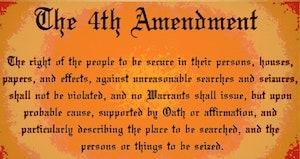
Many dangerous drug cases begin with a traffic stop or vehicle search. If police lacked probable cause for the stop, or searched without legal grounds, the evidence may be thrown out. We've represented Roswell clients caught with a spouse's prescription muscle relaxers during a traffic stop on GA-400. Challenging the basis for the stop proved decisive.
The state must prove the person knowingly held the drug. If the pills turned up in a borrowed car, a shared apartment, or someone else's bag, the state faces a heavy burden. Without proof of knowledge and control, the case weakens.
Our attorneys have defended dangerous-drug cases across north Fulton County for decades. Each case is unique. The outcome depends on the specific facts involved.
A dangerous drug charge can escalate fast. Evidence such as prescription records, pharmacy logs, and camera footage may get harder to obtain as time passes. Anything you tell police before talking to an attorney can be used against you. Early legal help matters.
Kohn & Yager LLC offers free consultations 24 hours a day, 7 days a week. Our team brings decades of drug defense experience in the Roswell area. We know how these cases move through Fulton County courts. Whether you face a misdemeanor possession charge or a felony distribution charge, we are ready to review your case and explain your options.
Call today at (404) 567-5515 or reach out through our online contact form to schedule your free consultation.

A dangerous drug in Georgia is any prescription-only medicine listed under the dangerous drugs statute that does not fall within the Schedule I through V categories. The list includes hundreds of compounds. Examples are certain muscle relaxers, non-narcotic ADHD medications, testosterone, and various prescription sedatives. Holding any listed drug without a valid prescription may bring criminal charges.
First-offense possession of dangerous drugs is typically a misdemeanor. Penalties may include up to 12 months in jail and a $1,000 fine. Repeat offenses or aggravating facts can raise the charge. Selling or distributing a dangerous drug is a felony carrying one to ten years in prison. The facts of your case decide the charge level.
Controlled substances sit on Schedules I through V based on abuse risk. They are prosecuted under the controlled substance penalties statute. Dangerous drugs are prescription-only medicines left off those schedules. They are prosecuted under the dangerous drug offense statute. Controlled substance penalties are usually harsher. Both require the state to prove knowing possession. But the defenses and sentence ranges differ.
Yes, depending on the facts. Prosecutors may file a distribution charge based on indirect evidence. That includes quantity, packaging, scales, or text messages – even if you meant the pills for personal use. If the evidence suggests intent to distribute, the charge may apply no matter your actual plan. An attorney can weigh whether the evidence supports a possession-only defense.