- Free Consultation, Call 24/7: (404) 567-5515 Tap Here To Call Us




Drunk and Disorderly Conduct in Georgia: Charges, Penalties, and Defenses


What Does "Drunk and Disorderly" Mean in Georgia?

Drunk and disorderly conduct is not a single codified offense in Georgia. Instead, the behavior people commonly call "drunk and disorderly" falls under two separate statutes: public drunkenness and disorderly conduct. Local municipal ordinances may also apply.
Our criminal defense law firm does not charge for a first consultation. Call (404) 567-5515, 24 hours a day, for a FREE lawyer consultation with a co-author of Georgia’s leading DUI law book.
Georgia treats these as distinct charges. Public drunkenness addresses appearing intoxicated in a public place where the condition is made obvious by boisterous, indecent, or vulgar behavior. Disorderly conduct addresses specific types of threatening, tumultuous, or offensive behavior. Such behavior tends to provoke a breach of the peace. Prosecutors may bring either charge or both charges depending on the facts of a particular incident.
A person who causes a disturbance outside a bar could face a public drunkenness charge if the intoxication was made obvious by boisterous or vulgar behavior. The same person could also face a separate disorderly conduct charge based on their behavior. Understanding which statute applies is key to building a defense. Knowing what each one requires the state to prove is equally important.
Public Drunkenness vs. Disorderly Conduct: How Georgia Separates the Charges
These two charges target different conduct, even though they often arise from the same incident.
Public drunkenness focuses on intoxication itself. The statute applies to a person who appears intoxicated in a public place. It also applies to someone within the curtilage of another private residence without invitation. The intoxication must be made obvious by boisterousness, indecent condition or act, or by vulgar, profane, loud, or unbecoming language. Violation is a misdemeanor.
Disorderly conduct focuses on behavior rather than intoxication. The statute defines four categories of conduct that constitute the offense. These include acting in a violent or tumultuous manner toward another person. They also include conduct that places another person in reasonable fear for their life, limb, or health. The same conduct counts when it puts that person's property in danger of being damaged or destroyed. Using "fighting words" without provocation is a third category. Finally, the statute covers obscene and vulgar or profane language used without provocation to a person under 14. The words must threaten an immediate breach of the peace, and they may be spoken in person or by telephone.
The key distinction is straightforward. Public drunkenness requires proof of intoxication made obvious in a specific way. Disorderly conduct requires proof of specific threatening or offensive behavior. It does not require intoxication.
A person who is visibly intoxicated may face a public drunkenness charge. If that same person is acting in a violent or tumultuous manner, they may face a separate disorderly conduct charge. An arrest for "being drunk and disorderly" in Georgia can therefore produce exactly that – two separate counts.
Both statutes also preserve the authority of counties and municipalities to adopt their own ordinances addressing similar conduct within their limits.
Penalties for a First-Time Disorderly Conduct Charge in Georgia
Disorderly conduct is classified as a misdemeanor. Under Georgia law, misdemeanor convictions carry a maximum fine of $1,000, confinement of up to 12 months, or both. The sentencing judge has discretion to suspend or probate the sentence.
A first-time disorderly conduct charge brought under the state statute moves through state court. A city may instead charge the same conduct under its own ordinance. That case is heard in the city's municipal court, and the penalty is the one the ordinance sets rather than the state range. In misdemeanor cases the defendant may be tried on an accusation framed and signed by the prosecuting attorney. At arraignment, the defendant enters a plea of guilty or not guilty.
For a first-time offender, several options may be available. Some jurisdictions offer pretrial diversion programs. These programs could result in the charge not proceeding to trial. Where diversion is not available, a criminal defense attorney may pursue sentencing under Georgia's First Offender Act.
Under the First Offender Act, a court may defer adjudication of guilt upon a guilty verdict or plea if the defendant has no prior felony conviction and consents to it. The defendant is placed on probation or sentenced to confinement. If the defendant successfully completes the terms, they are "exonerated of guilt" and discharged as a matter of law. The defendant is not considered to have a criminal conviction. The Act may be used only once.
Disorderly conduct is not among the excluded offenses listed in the First Offender Act statute. Whether a judge grants first offender treatment depends on the circumstances of the case, the defendant's background, and the court's discretion.
A court may also place a defendant on probation. This allows probation supervision for misdemeanor offenders on conditions the court sets. These conditions may include fines, fees, or community service. The period of probation cannot exceed the maximum sentence of confinement that could be imposed.
Penalties for Public Drunkenness in Georgia
Public drunkenness is also a misdemeanor. The same general misdemeanor sentencing range applies. The penalty is a fine not to exceed $1,000, confinement not to exceed 12 months, or both, at the judge's discretion.
Beyond the direct sentence, even a misdemeanor conviction carries collateral consequences. A criminal record – even for public drunkenness – appears on background checks. It may affect employment opportunities, professional licensing, housing applications, and educational prospects. Before accepting a guilty plea, the court must determine that the defendant is entering it freely. The court must also determine that the defendant understands that, for a non-citizen, the plea may have an impact on immigration status.
These collateral consequences make it important to take any misdemeanor charge seriously. Defendants facing a public drunkenness charge in Georgia should consult a criminal defense attorney. An attorney can discuss the specific facts of their case and explain available options.
Common Defenses to Drunk and Disorderly Charges
Defense attorneys examine several categories of potential defenses when evaluating drunk and disorderly charges in Georgia.
The "public place" question. Both statutes require that the conduct occur in a specific setting. For public drunkenness, the statute specifies a "public place" or the curtilage of another person's private residence without invitation. Whether a particular location qualifies as public under the statute can be a contested issue. The state bears the burden of proving this element.
Challenging observations of intoxication. Public drunkenness requires that an intoxicated condition be "made obvious" in specific ways. When no chemical testing was performed, the state relies on the officer's subjective observations. Defense attorneys may challenge the accuracy of those observations. Medical conditions, fatigue, or other factors could explain the behavior.
First Amendment considerations. Disorderly conduct charges sometimes involve speech. The statute's "fighting words" provision must be read in light of First Amendment protections. Not all offensive or profane language rises to that level. Courts have drawn careful lines around this category. Some words, by their very utterance, tend to provoke an immediate breach of the peace. Other words do not.
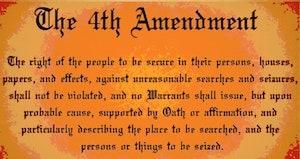
Constitutional stop and arrest challenges. The Fourth Amendment limits when an officer may stop or arrest a person. If law enforcement lacked reasonable suspicion to stop or probable cause to arrest, the evidence gathered may be subject to suppression. A detention that violates the Constitution can taint all evidence gathered during it.
Insufficient evidence. Each element of the charged offense must be proven beyond a reasonable doubt. The state's evidence may fall short of establishing that the defendant's conduct met the specific requirements of the statute.
What to Do If You Are Arrested for Drunk and Disorderly Conduct
An arrest for drunk and disorderly conduct can be disorienting. The steps you take immediately afterward can affect the outcome of your case.
Exercise your right to remain silent. You are not required to explain yourself to officers. Anything you say may be used against you. Politely decline to answer questions beyond providing your identification.
Do not argue with officers. Attempting to talk your way out of an arrest will not help. It may create additional evidence for the prosecution. Stay calm and cooperative.
Request an attorney. Ask to speak with a lawyer as soon as possible. You have the right to legal representation.
Preserve evidence. If witnesses were present or if video footage exists, make a note of it. This includes videos from bystanders, security cameras, or body-worn cameras. Witness contact information and video evidence may be critical to your defense.
After the arrest, the typical process involves booking, a bond hearing, a first appearance, and arraignment. The timeline and procedures vary depending on whether the charge is filed in state court or in a city's municipal court. Each court has its own procedures and calendaring. An experienced Georgia criminal defense attorney can guide you through the process that applies to your specific criminal charge.
Speak With a Georgia Criminal Defense Attorney About Your Charge
A drunk and disorderly arrest may feel minor, but the consequences of a conviction are not. Even a misdemeanor for disorderly conduct or public drunkenness creates a criminal record that shows up on background checks. This record could affect your employment, housing, and professional licensing for years.
Early legal intervention matters. A criminal defense attorney can evaluate whether the state can prove every element of the charge. An attorney can identify constitutional issues with the stop or arrest. An attorney can pursue options like pretrial diversion or first offender treatment where available.
If you are charged with disorderly conduct or public drunkenness in Georgia, contact Kohn & Yager LLC for a free consultation. Every case is different. The sooner you have an attorney reviewing the facts, the more options may be available to you.

Frequently Asked Questions About Drunk and Disorderly Conduct in Georgia
Is Drunk and Disorderly Conduct a Crime in Georgia?
Georgia does not have a single "drunk and disorderly" offense. The conduct is typically charged as public drunkenness, disorderly conduct, or both, and some cities charge it under a local ordinance instead. Each is classified as a misdemeanor, which is a criminal offense. A conviction can result in fines, jail time, and a criminal record that shows up on background checks.
What Is the Penalty for a First-Time Disorderly Conduct Charge in Georgia?
Disorderly conduct is a misdemeanor. Under Georgia law, the maximum penalty is a fine of $1,000, up to 12 months of confinement, or both. The judge has discretion in sentencing. The facts of the case matter. Sentencing alternatives like the First Offender Act or pretrial diversion may also apply.
Can a Disorderly Conduct Charge Be Dismissed or Expunged in Georgia?
Dismissal may be possible depending on the strength of the evidence and any constitutional issues with the arrest. Georgia's First Offender Act may allow eligible defendants to complete their sentence without a formal conviction. A successful first offender sentence ends in exoneration of guilt and discharge as a matter of law. Georgia law also allows a petition to restrict access to a misdemeanor conviction record. The sentence must be complete and four years must have passed with no other conviction. Whether these options are available depends on the specific circumstances of each case.
What Is the Difference Between Public Drunkenness and Disorderly Conduct in Georgia?
Public drunkenness requires proof that a person appeared intoxicated in a public place. The intoxication must be made obvious by boisterousness, indecent behavior, or vulgar language. Disorderly conduct requires proof of specific threatening, tumultuous, or offensive behavior. It does not require intoxication. A person may face one or both charges.
Do I Need a Lawyer for a Misdemeanor Drunk and Disorderly Charge?
A misdemeanor conviction creates a criminal record that can affect employment, housing, and immigration status. A criminal defense attorney can evaluate the evidence, identify potential defenses, and pursue alternatives that could avoid a conviction. Consulting an attorney early gives you the best chance of understanding your options.